THE ULTIMATE GUIDE TO HEALTHY VISION AFTER 40
This is a Comprehensive Eye Health Education for Adults Over 40.
Aging is a natural part of life, and so are the changes in your eyes. Many adults begin to notice a shift in their vision after the age of 40 but with the right knowledge, habits, and preventative care, you can maintain healthy vision well into your golden years. This guide provides detailed, professional advice for protecting your eyes as you age.
- Understand How Aging Affects Your Eyes
Several eye changes are common after age 40:
Presbyopia: This is the gradual loss of your eye’s ability to focus on nearby objects. You might notice that you need to hold reading material farther away or that small print becomes harder to see.
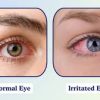
Dry Eyes: Tear production diminishes with age, leading to dryness, redness, or irritation. This can affect comfort and clarity of vision.
Difficulty Seeing at Night: You may notice reduced contrast sensitivity and increased glare, especially while driving at night.
Increased Risk of Eye Diseases:
Cataracts – Clouding of the lens, causing blurred or hazy vision.
Glaucoma – A group of diseases that damage the optic nerve and can lead to blindness if untreated.
Age-related Macular Degeneration (AMD) – Deterioration of the central part of the retina, affecting central vision.
Keywords: eye problems after 40, aging eyes, presbyopia, dry eyes, cataracts, AMD, glaucoma.
- Don’t Skip Regular Eye Exams
After 40, your eye exam schedule should change:
Every 1–2 years: Adults aged 40 to 60 should have a comprehensive dilated eye exam.
Annually: If you have diabetes, high blood pressure, or a family history of eye diseases.
Keywords: eye exams after 40, adult eye checkup, vision screening, diabetic eye exam.
- Nutrition That Nourishes Your Vision
Your eyes need essential vitamins and antioxidants to function properly. Include these in your diet:
Vitamin A (carrots, liver, eggs): Prevents night blindness and supports corneal health.
Vitamin C (citrus fruits, bell peppers): Helps reduce the risk of cataracts.
Vitamin E (nuts, seeds, spinach): Protects eyes from free radical damage.
Lutein and Zeaxanthin (leafy greens, corn, eggs): Found in the macula, they filter harmful blue light and protect against Age Related Macular Degeneration.
Zinc (meat, shellfish, legumes): Helps transport Vitamin A from the liver to the retina.
Omega-3 Fatty Acids (salmon, chia seeds, flaxseed): Promote tear production and reduce dry eye.
Keywords: best foods for eye health, vitamins for vision, nutrition for healthy eyes, omega-3 for dry eyes
- Shield Your Eyes From Harmful UV Rays
Prolonged exposure to ultraviolet (UV) rays can lead to:
Faster development of cataracts
Increased risk of macular degeneration
Formation of pterygium (a growth on the white of the eye)
Solution: Wear sunglasses labeled “100% UVA/UVB protection” or UV400, which block all light rays with wavelengths up to 400 nanometers, covering both UVA and UVB rays. Always wear a wide-brimmed hat outdoors for added protection.
Keywords: UV protection for eyes, UV400 sunglasses, sunglasses for eye health, sun damage to eyes.
- Say No to Smoking
Smoking increases your risk of several vision-threatening conditions like:
Macular degeneration, Cataracts, Uveitis (inflammation inside the eye), Optic nerve damage.
Quitting smoking reduces your risk significantly, even later in life.
Keywords: smoking and eye disease, quit smoking for eye health, how smoking affects vision.
- Get Quality Sleep and Manage Your Health Conditions
Good rest is vital for eye health:
Lack of sleep can worsen dry eye, twitching, and blurred vision.
During deep sleep, the eyes are cleansed of irritants and debris.
Also health conditions like diabetes and hypertension when not properly managed can cause diabetic retinopathy or hypertensive retinopathy, damaging your retina and vision.
Keywords: sleep and eye health, diabetic eye disease, hypertension and eyes, managing chronic health conditions for vision.
- Know Your Family’s Eye Health History
Genetics can influence your chances of developing Glaucoma, Age Related Macular Degeneration, Retinal detachments, Refractive errors.
Inform your eye care provider about any family history. Early detection can make a difference.
Keywords: genetic eye diseases, family eye history, hereditary vision loss, early detection for eye health.
Taking care of your eyes after 40 is not just about seeing clearly, it’s about preserving your independence, and quality of life. Be proactive with checkups, protect your eyes, and adopt healthy habits that support lifelong vision.