
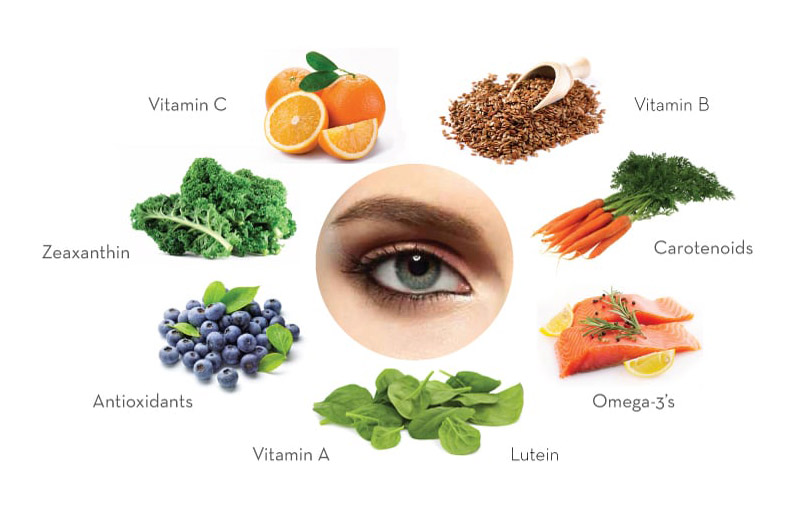
Fruits Rich in Vitamins That Keep The Eyes Healthy: Vitamin A, B, C And E.
The eye is a delicate organ that requires good nutrients to stay healthy and function properly. Among the most important nutrients for vision are vitamins A, B, C and E. Each plays a unique role in protecting the eyes from disease, maintaining clear vision, and reducing the effects of ageing and environmental stress.
Vitamin A – The Vision Protector.
Main Function:
Vitamin A is essential for maintaining a clear cornea (the outer covering of the eye) and for producing the pigment rhodopsin, which helps you see in low light or at night.
Deficiency Effects:
A lack of vitamin A can lead to night blindness, dry eyes (xerophthalmia), and even corneal ulcers if left untreated.
Food Sources:
Carrots, Sweet potatoes, Spinach and kale, Liver and egg yolks, Red palm oil.
Benefit Summary:
It helps maintain sharp vision, prevents dryness, and protects the surface of the eye from infection.
Vitamin B Complex – The Nerve and Energy Support.
Main Function:
The B vitamins, particularly B2 (Riboflavin), B6 (Pyridoxine), B9 (Folate), and B12 (Cobalamin), play an important role in maintaining the health of the optic nerve, reducing eye strain, and improving blood circulation to eye tissues.
Deficiency Effects:
A shortage of B vitamins can cause eye fatigue, sensitivity to light (photophobia), blurry vision, and even contribute to optic neuropathy (damage to the optic nerve).
Food Sources:
Whole grains (brown rice, oats, wheat), Eggs and dairy products, Fish and poultry, Green leafy vegetables, Nuts and legumes.
Benefit Summary:
Vitamin B helps in nerve protection, reduces eye stress, and supports healthy metabolism in the retina.
Vitamin C – The Antioxidant Shield
Main Function:
Vitamin C (Ascorbic acid) is a powerful antioxidant that helps protect the eyes against damage caused by free radicals and oxidative stress. It also aids in collagen formation, which keeps the cornea and blood vessels in the eyes strong and flexible.
Deficiency Effects:
Low levels of vitamin C can increase the risk of cataracts, retinal degeneration, and delayed healing after eye injuries.
Food Sources:
Oranges, lemons, and other citrus fruits, Tomatoes, Bell peppers, Strawberries, Broccoli and cabbage.
Benefit Summary:
Vitamin C helps prevent cataracts, supports healthy eye tissues, and strengthens capillaries and blood vessels in the retina.
Vitamin E
Vitamin E acts as an antioxidant that helps protect the eyes from free radicals, which can reduce the risk of age-related eye conditions like cataracts and macular degeneration.
Fruits rich in vitamin E
Mangoes: A good source of vitamin E and other eye-healthy nutrients like beta-carotene and lutein.
Kiwi fruit: Contains vitamin E and other antioxidants like lutein and zeaxanthin, which protect the lens and retina.
Avocados: Provide vitamin E and other antioxidants that support eye health.
Role of vitamin E in eye health
Antioxidant protection: Vitamin E neutralises free radicals that can cause oxidative damage to the eye tissues over time.
Reduced risk of eye disease: By protecting against oxidative stress, vitamin E can lower the risk of developing age-related macular degeneration and cataracts.
Supports retinal function: It plays a role in maintaining the overall health and function of the retina.
Overall, eating a balanced diet rich in vitamins A, B, C AND E is one of the most effective ways to maintain good vision and healthy eyes.