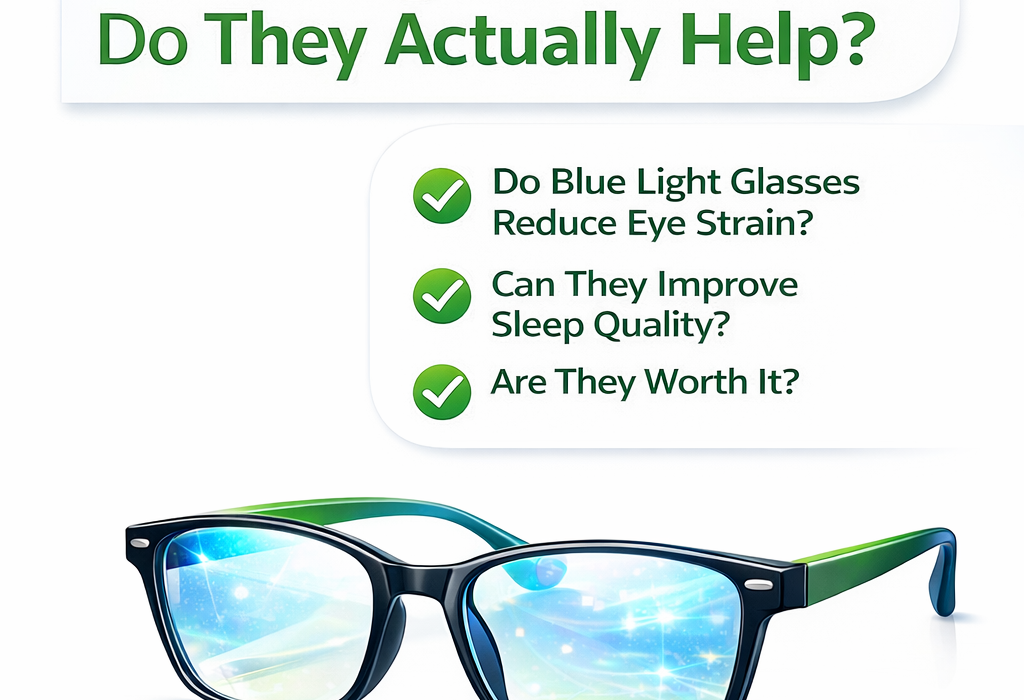
Blue Light Glasses: Do They Actually Help?
In today’s world, almost everything we do involves a screen. From phones and tablets to laptops and televisions, our eyes are constantly exposed to light coming from these devices. One type of light that has gained a lot of attention is called blue light. You may have heard people talk about “blue light glasses” and wondered if they really work. Let’s break it down in a simple and clear way.
Blue light is a type of light that comes from the sun, but it is also produced by digital screens. During the day, blue light from the sun actually helps us stay awake and alert. However, when we are exposed to too much blue light from screens especially at night it can start to affect our eyes and even our sleep.
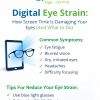
Many people who spend long hours on screens complain of eye discomfort. This is known as Digital Eye Strain. It can cause symptoms like tired eyes, headaches, blurred vision, dryness, and difficulty focusing. This happens not only because of blue light, but also because we blink less and focus on one distance for too long when using screens.
This is where blue light glasses come in. These glasses are specially designed with lenses that filter or block a portion of blue light from reaching your eyes. The idea is that by reducing this exposure, your eyes may feel more comfortable during long screen use.
So, do they actually help? The answer is yes and no, depending on what you expect from them. Blue light glasses can help reduce glare and may make your eyes feel more relaxed, especially if you spend many hours in front of screens. Some people also find that wearing them in the evening helps improve their sleep, because less blue light reaches the brain, allowing the body to prepare for rest.
However, it is important to understand that blue light glasses are not a magic solution. They do not completely prevent eye strain, nor do they cure vision problems. The main cause of eye discomfort from screens is how we use them, not just the light they produce.
To truly protect your eyes, you need to build healthy habits. One of the most effective methods is the 20-20-20 rule: every 20 minutes, look at something 20 feet away for at least 20 seconds. This helps your eyes relax. You should also blink often, adjust your screen brightness, and keep your screen at a comfortable distance.
It is also important to ensure that your vision is properly corrected. Sometimes, what people think is eye strain is actually an uncorrected vision problem. Regular eye examinations can help detect this early and keep your eyes healthy.
In conclusion, blue light glasses can be helpful, especially for comfort during long hours of screen use and possibly improving sleep. But they should be seen as part of a bigger picture of eye care, not the only solution. Taking breaks, maintaining good screen habits, and having regular eye check-ups are just as important.
Your eyes work hard for you every day. Taking small steps to care for them can make a big difference in how well you see and how comfortable you feel.