
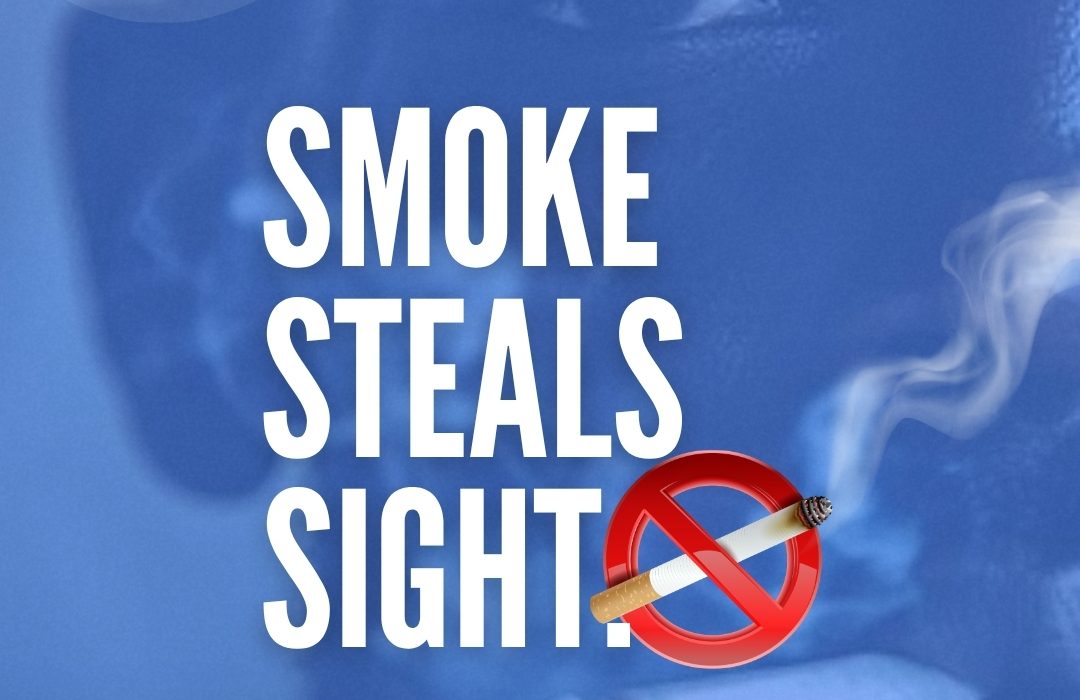
The Shocking Link Between Smoking and Vision Loss
Have you ever considered that smoking could steal your sight?
Most people know that smoking damages the lungs and increases the risk of heart disease and cancer. However, many are unaware that smoking can also cause serious and permanent vision problems. Every puff exposes your eyes to harmful chemicals that can damage delicate eye tissues and increase your risk of vision loss.
Whether you smoke regularly or are exposed to secondhand smoke, your eye health may be at risk. Understanding this connection could help protect your vision for years to come.
How Smoking Affects Your Eyes
Cigarette smoke contains thousands of toxic chemicals that reduce oxygen supply to the body’s tissues, including the eyes. These toxins can damage blood vessels, increase inflammation, and accelerate aging within the eye. Over time, smoking can affect almost every part of the visual system, leading to both temporary and permanent vision problems.
Eye Conditions Linked to Smoking
Age-Related Macular Degeneration (AMD)
Age-related macular degeneration is one of the leading causes of blindness in older adults. The macula, the central part of the retina responsible for sharp vision, becomes damaged over time. Smokers are significantly more likely to develop AMD than non-smokers because smoking accelerates the deterioration of retinal cells. As the condition progresses, everyday activities such as reading, driving, and recognizing faces become increasingly difficult.
Cataracts
Cataract occurs when the eye’s natural lens becomes cloudy, causing blurred or hazy vision. Smoking increases the risk of cataracts by exposing the lens to harmful free radicals that damage its structure. As a result, smokers often develop cataracts earlier than non-smokers and may require cataract surgery at a younger age.
Dry Eye Syndrome
Smoking can irritate the eyes and reduce tear production, leading to symptoms such as burning, redness, itching, excessive tearing, and blurred vision. Individuals who spend long hours using digital devices or working in air-conditioned environments may find that smoking worsens these symptoms, making their eyes feel constantly uncomfortable.
Diabetic Retinopathy
For people living with diabetes, smoking can significantly increase the risk of diabetic retinopathy. This condition damages the tiny blood vessels in the retina, leading to bleeding, swelling, and vision impairment. If left untreated, diabetic retinopathy can eventually result in severe vision loss or blindness.
Optic Nerve Damage
The optic nerve carries visual information from the eye to the brain. Smoking can reduce blood flow to this vital structure, causing damage that may be irreversible. In some cases, this can increase the risk of glaucoma and other serious eye diseases that threaten vision.
Symptoms You Should Never Ignore
Smoking-related eye damage often develops gradually, making it easy to overlook the warning signs. Symptoms may include blurred vision, difficulty seeing at night, frequent eye irritation, reduced color perception, distorted central vision, increased sensitivity to light, or sudden changes in vision. If you experience any of these symptoms, it is important to schedule a comprehensive eye examination as soon as possible.
Can Quitting Smoking Improve Eye Health?
The good news is that quitting smoking can significantly reduce the risk of future vision loss. Although some damage may be irreversible, stopping smoking helps improve blood circulation to the eyes, reduces inflammation, and lowers the risk of developing smoking-related eye diseases.
People who quit smoking often experience less eye irritation and may slow the progression of conditions such as cataracts and age-related macular degeneration. The earlier you quit, the better your chances of preserving your eyesight and overall health.
How to Protect Your Vision
Protecting your eyes starts with healthy lifestyle choices. Avoid smoking and exposure to secondhand smoke whenever possible. Wear UV-protective sunglasses when outdoors. Maintain a healthy diet rich in fruits and leafy green vegetables, manage chronic conditions such as diabetes and hypertension, and take regular breaks from digital screens using the 20-20-20 rule.
Most importantly, schedule routine eye examinations to detect problems early before they threaten your vision.
When to See an Eye Doctor
You should see an eye doctor if you are a current or former smoker, have a family history of eye disease, experience blurred or distorted vision, notice increasing eye discomfort, or have conditions such as diabetes or high blood pressure. Even if you have no symptoms, regular eye examinations are essential because many serious eye diseases develop without obvious warning signs.
Protect Your Vision with Cypress Eye Centre
Your eyesight is one of your most valuable assets, and protecting it should never be taken for granted. At Cypress Eye Centre, we provide comprehensive eye examinations, early detection of eye diseases, and personalized eye care services to help you maintain healthy vision.
Book your eye examination today and take a proactive step toward protecting your vision and preserving your quality of life.
Say No to Smoking, Protect Your Sight
Your eyes are precious, and smoking puts them at unnecessary risk. From cataracts and age-related macular degeneration to dry eyes and permanent vision loss, the effects of smoking on eye health can be devastating. The good news is that many of these risks can be reduced by quitting smoking and maintaining regular eye examinations.
This World No Tobacco Day and beyond, make a choice that benefits both your eyes and your overall health. Protect your vision, protect your future, and encourage those around you to do the same.
Say No to Smoking. Say Yes to Healthy Vision. 👁️🚭
1 Comment
This is very educative
Thank you 🙏